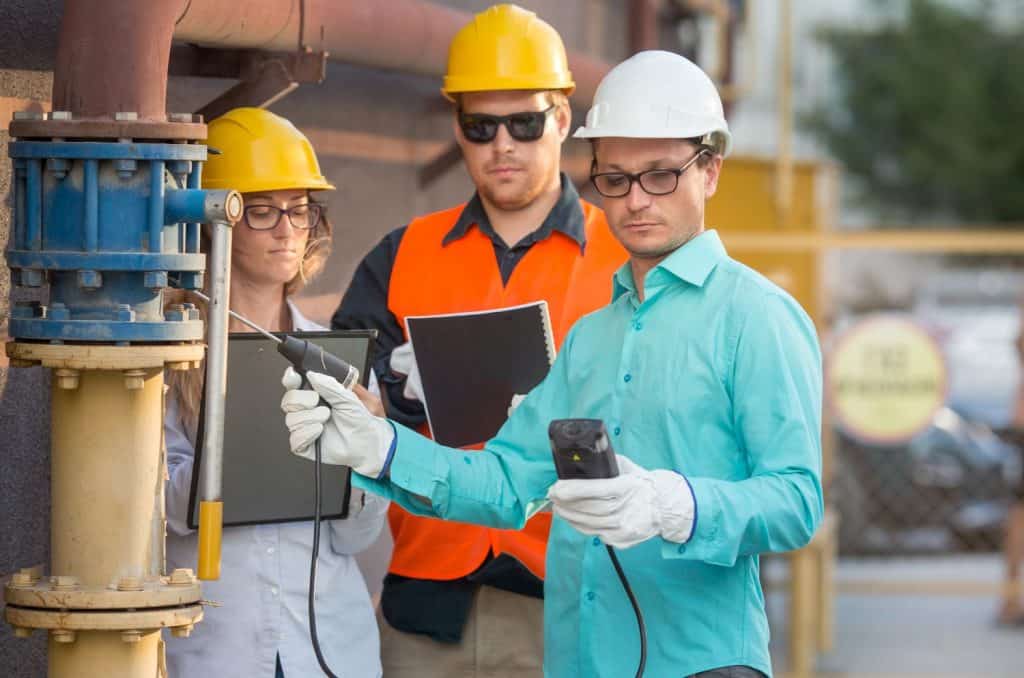
Volatile Organic Compounds (VOCs) are carbon-based chemicals that possess a high vapor pressure at standard room temperatures. This unique physical property allows them to evaporate easily and off-gas into the surrounding air. While these chemicals are heavily utilized in industrial solvents, adhesives, paints, and plasticizers, prolonged human exposure to their gaseous emissions can cause severe respiratory irritation, neurological distress, and long-term organ toxicity.
To ensure consumer safety and strict regulatory compliance, manufacturers must perform a comprehensive voc test on their raw materials and finished assemblies. This specialized analytical procedure identifies, measures, and quantifies the exact chemical emissions being released. By utilizing advanced laboratory techniques such as thermal desorption combined with gas chromatography-mass spectrometry (TD-GC-MS), chemists can detect even trace amounts of hazardous pollutants before a product reaches the consumer market.
Essential Industrial Applications for Emission Screening
Controlling chemical off-gassing is a foundational requirement across multiple manufacturing sectors, particularly for products utilized in enclosed environments.
- Automotive Interior Manufacturing: The cabin of a vehicle is a small, tightly sealed space that frequently experiences extreme heat from direct sunlight. Components like dashboard plastics, synthetic leather seats, and internal adhesives must be rigorously tested to ensure they do not release toxic fumes that could harm drivers and passengers.
- Building Materials and Construction: Indoor air quality is heavily impacted by the materials used during construction. Floor sealants, wall paints, and insulation foams undergo strict emission evaluations to prevent “Sick Building Syndrome” in newly developed residential and commercial properties.
- Electronics and Consumer Appliances: Electronic devices often heat up during standard operation. Testing ensures that the plastic housings and internal circuit boards do not emit harmful vapors when their internal temperature rises.
Achieving Global Regulatory Compliance
Failing to monitor and control these invisible chemical emissions can result in severe regulatory penalties, rejected international shipments, and permanent damage to a brand’s reputation. Governing bodies worldwide enforce strict threshold limits that companies must objectively meet before mass production can be authorized.
To navigate these complex international regulations, proactive companies often consult with Alstesting Voc testing services in Malaysia to obtain precise, actionable, and accredited emission data. This level of scientific validation is vital for securing export approvals and maintaining a competitive edge in the global supply chain.
Protecting end-users from hidden chemical threats is a fundamental engineering responsibility. Implementing rigorous material screening through an Alstesting Laboratory Testing service in Malaysia guarantees that manufactured goods consistently meet the highest benchmarks of environmental and respiratory safety.
Frequently Asked Questions (FAQ)
What specific chemicals are classified as Volatile Organic Compounds?
There are thousands of different VOCs, but the most common chemicals detected during industrial screening include formaldehyde, benzene, toluene, xylene, and styrene. These substances are widely used in the formulation of synthetic polymers, industrial glues, and chemical solvents.
How does the laboratory simulate real-world emission scenarios?
Laboratories utilize specialized environmental test chambers to simulate real-world conditions. Material samples are placed inside these hermetically sealed chambers and subjected to elevated temperatures and specific humidity levels. This accelerates the off-gassing process, allowing analysts to accurately capture and measure the maximum concentration of gases the material would realistically emit.
Why is emission testing mandatory for automotive suppliers?
Automotive original equipment manufacturers (OEMs) strictly enforce standards like VDA 278 to protect vehicle occupants. Because passengers spend hours inside a highly confined space, any toxic emissions from the interior trim can rapidly accumulate to dangerous levels. Suppliers must prove their materials are low-emission to qualify for production contracts.